
A beautiful charcuterie board doesn’t need to be extravagant or expensive. With just a few well-chosen cheeses, cured meats, fruits, and pantry staples, you can create a board that looks like it came straight from a magazine—but feels like home.
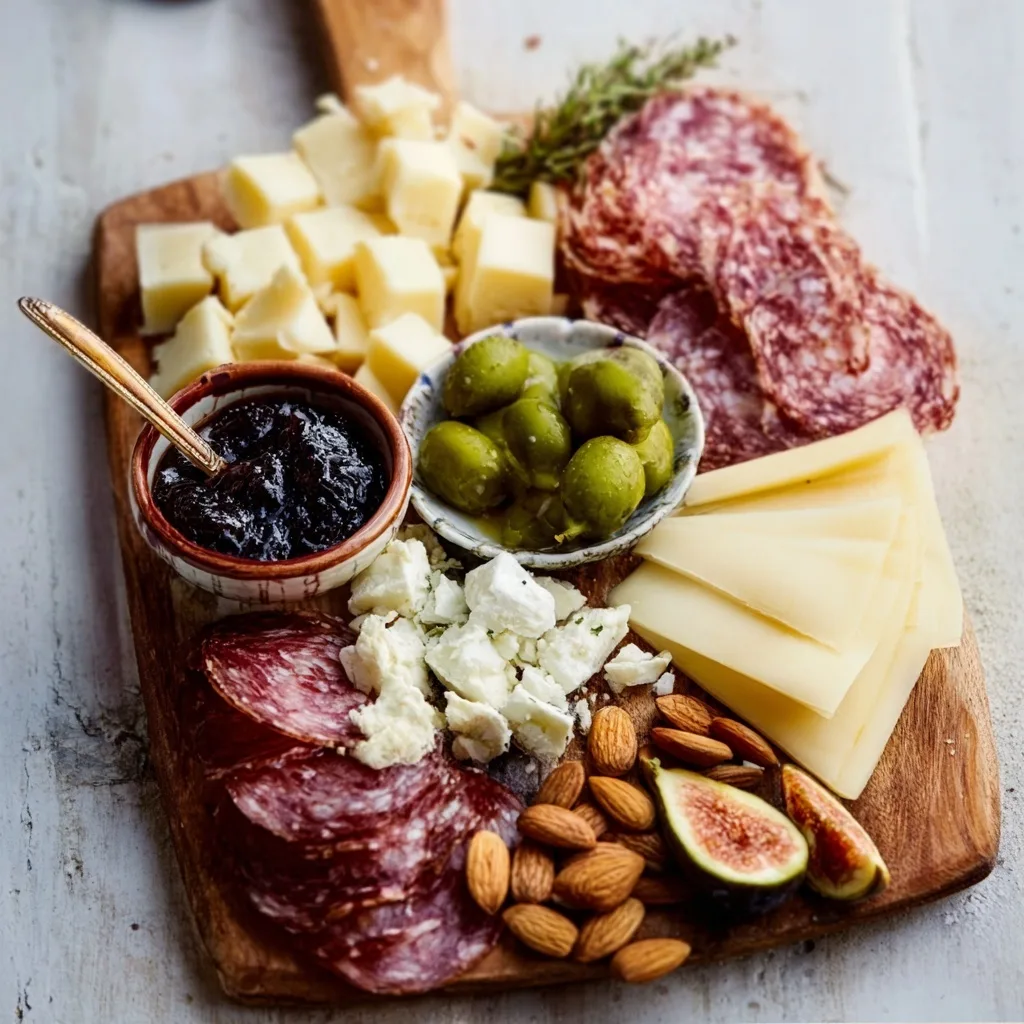
Creating a charcuterie board has become one of my favorite rituals for slowing down and reconnecting. There’s something about arranging textures and colors—salty prosciutto, creamy brie, golden crackers, fresh figs—that feels almost meditative. It’s not just food; it’s a way to gather, to nurture, and to savor small, quiet moments.
When I first started making boards like this, I thought I needed a dozen fancy cheeses and ingredients I could barely pronounce. But the truth is, a great Classic DIY Meat and Cheese Charcuterie Board is all about balance and intention—not extravagance. A few affordable favorites, arranged with a thoughtful touch, can feel incredibly luxurious without the price tag.
In my kitchen, boards like this often come together for Sunday evenings or impromptu get-togethers. I like to mix things that invite curiosity: a tangy fig jam next to sharp cheddar, roasted nuts for crunch, and maybe a drizzle of honey over soft goat cheese. When you build with purpose, each bite tells a little story.
If you’re making this for a family night or a cozy evening with friends, start with what you have. A handful of grapes, a few slices of deli salami, some pantry crackers—then add one or two “hero” items that stand out. It’s approachable elegance, right at your table.
For more cozy snack ideas that balance comfort and nutrition, check out Vegan Chickpea Flour Cookies, Tangzhong Pumpkin Bread, or 5-Star Winter Citrus Kale Salad—all simple, beautiful recipes that pair perfectly with a grazing board like this one.
Explore the Steps
Building the Foundation – Your Board, Your Story
The secret to an irresistible Classic DIY Meat and Cheese Charcuterie Board starts with intention—not perfection. Before you even reach for the ingredients, think about the experience you want to create. Is it a relaxed family night? A small holiday gathering? Or maybe a quiet dinner for two?
Choosing the Right Board
You don’t need an oversized wooden slab or marble tray. A simple cutting board, a baking sheet, or even a round pizza pan can become your canvas. What matters most is creating layers and movement on the surface—spaces where color and texture guide the eye.
If you want to invest in a tool that makes styling easier, I love using the TOWINGO 9-Inch Silicone Kitchen Tongs for placing delicate ingredients like brie wedges or rolled prosciutto. They give you gentle control without squishing anything soft or crumbly.
Selecting Your Cheeses
Start with 2–3 types of cheese:
- One creamy: brie, camembert, or a soft goat cheese
- One firm: aged cheddar, manchego, or gouda
- One bold: blue cheese or something smoky for contrast
Arrange them at different points around your board—each cheese becomes a visual anchor. Slice a few, crumble a few, and leave some wedges whole to invite texture variety.
The Meats
Cured meats bring saltiness and depth. Choose a few that balance flavor and affordability:
- Thinly sliced salami or soppressata for savory richness
- Prosciutto or serrano ham for elegance
- Smoked turkey or peppered beef for a family-friendly option
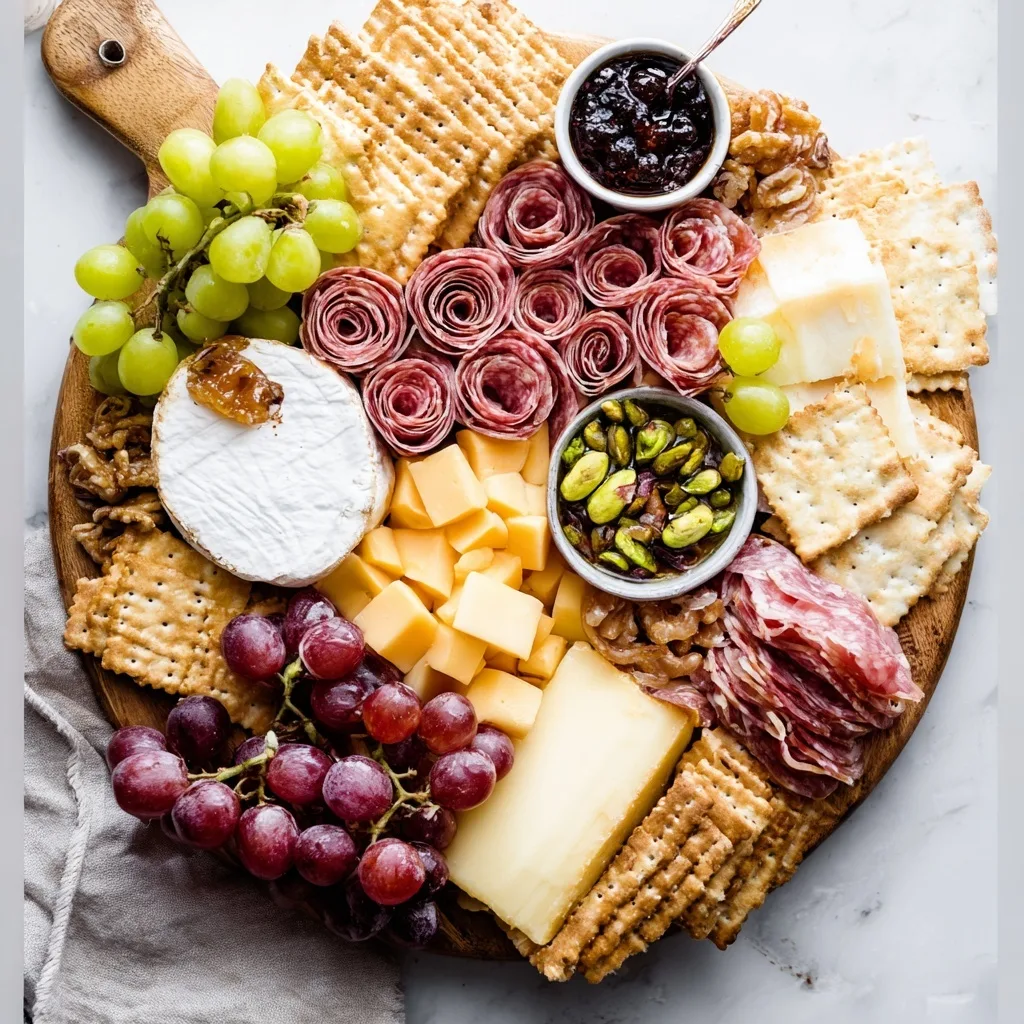
Layer them in gentle folds or roll them into loose rosettes (like in the second photo) for dimension. The goal is abundance without excess.
Something Sweet, Something Crunchy
Contrast is what makes each bite memorable. Add a few sweet and crunchy elements to balance the saltiness:
- Dried apricots or figs
- Toasted almonds or candied walnuts
- A small bowl of fig jam or orange marmalade
For a clean finish and easy portioning, I use the Escali Primo Digital Food Scale to weigh out nuts and dried fruit—it helps keep portions balanced without overloading the board.
The “Wow” Factor
Every board needs one or two focal points—the ingredients that make guests linger. Maybe it’s a swirl of golden honey, a pile of jewel-toned berries, or a small cluster of fresh basil leaves.
I often borrow this little trick from my Chickpea Chocolate Chip Cookies (No Flour): balance richness with freshness. When a board has too many heavy or salty items, even a handful of grapes or sliced cucumber can lift everything beautifully.
Step-by-Step Assembly — From Pantry to Picture-Perfect Board
Creating your Classic DIY Meat and Cheese Charcuterie Board is less about following rigid rules and more about gentle intuition. Think of it as arranging textures and colors that make people pause before their first bite. Every piece has a place — you’re building balance, not symmetry.
Step 1: Start with Your Anchors (Cheese & Bowls)
Begin by placing your cheeses first — they act as the visual anchors of your board. Spread them out so each corner offers a unique flavor and texture. If you’re using soft cheese like brie or goat, slice halfway through to make it inviting without losing its rustic charm.
Next, add 2–3 small bowls for spreads and dips. Fill one with fig jam, another with orange marmalade, and maybe one with olives or honey. This adds height and dimension — your eye should move across the board naturally, like a little journey.
If you want a clean look with controlled portions, the Escali Primo Digital Food Scale comes in handy here, helping you gauge just enough fruit or nuts without waste.
Step 2: Fold, Roll, and Fan the Meats
This is where the personality of your board begins to shine. Fold salami into quarters or roll prosciutto into loose curls. Tuck them gently between cheeses to break up the visual monotony. The goal is to mimic organic movement — soft lines and natural overlap.
For precise handling, the TOWINGO 9-Inch Silicone Kitchen Tongs are perfect. Their silicone tips won’t tear thin slices or leave marks, and the locking ring lets you move easily between arranging meats and adding garnishes.
Step 3: Add Crackers, Fruits, and Nuts
Now it’s time to fill the spaces. Use a variety of shapes and colors:
- Crackers: thin, square, or seeded for texture.
- Fruits: grapes, blueberries, or sliced figs.
- Nuts: almonds, pistachios, or walnut clusters for that earthy crunch.
Scatter them in small clusters instead of perfect piles — it makes the board feel natural, not staged.
Tip: For an effortless “crumble” of nuts or breadsticks, reach for the Mercer Culinary Millennia 10-Inch Bread Knife. It glides cleanly through crusty baguette slices without crushing them.
Step 4: Finishing Touches
This is where your charcuterie board comes alive. Add tiny details:
- Fresh herbs like basil or rosemary sprigs.
- A drizzle of honey over creamy cheese.
- A pinch of flaky salt or crushed nuts for color contrast.
If you’re feeling creative, whisk a touch of olive oil and balsamic using the NileHome Stainless Steel Whisk Set (3-Pack) to create a quick drizzle for soft cheese or figs. It adds just enough shine to make everything look cohesive.
Step 5: Step Back and Breathe
Before serving, take a step back. Does your board feel inviting? Balanced? Nothing too perfect — just real, delicious abundance. Remember, it’s meant to be eaten, not displayed.
If you’re serving a mixed crowd, try pairing this board with something warm from the oven like these Crispy Air Fryer Potato Skins or a light dish such as 5-Star Roasted Veggie Quinoa Bowls. It rounds out the meal while keeping prep stress-free.
Tasty Recipe Card — Classic DIY Meat and Cheese Charcuterie Board
Prep Time: 15 minutes
Total Time: 20 minutes
Servings: 6–8
Ingredients
- 2–3 types of cheese (brie, cheddar, gouda)
- 2–3 types of cured meats (salami, prosciutto, peppered beef)
- Crackers and toasted baguette slices
- Dried fruits (apricots, figs)
- Fresh fruit (grapes, blueberries)
- Mixed nuts (almonds, pistachios, walnuts)
- Fig jam and orange marmalade
- Fresh herbs for garnish
- Optional: honey drizzle, olives, or pickles
Tools You’ll Need
- Lightyear Silicone Basting & Pastry Brush Set (2-Pack) – for easy glazing or honey drizzling.
- TOWINGO 9-Inch Silicone Kitchen Tongs (Set of 3) – gentle handling for meats and cheese.
- Escali Primo Digital Food Scale – precise measurements for nuts and fruits.
- Mercer Culinary Millennia 10-Inch Bread Knife – clean, even slicing.
- NileHome Stainless Steel Whisk Set (3-Pack) – light dressings or drizzles.
Nutrition & Comfort Balance — Indulgence That Nourishes
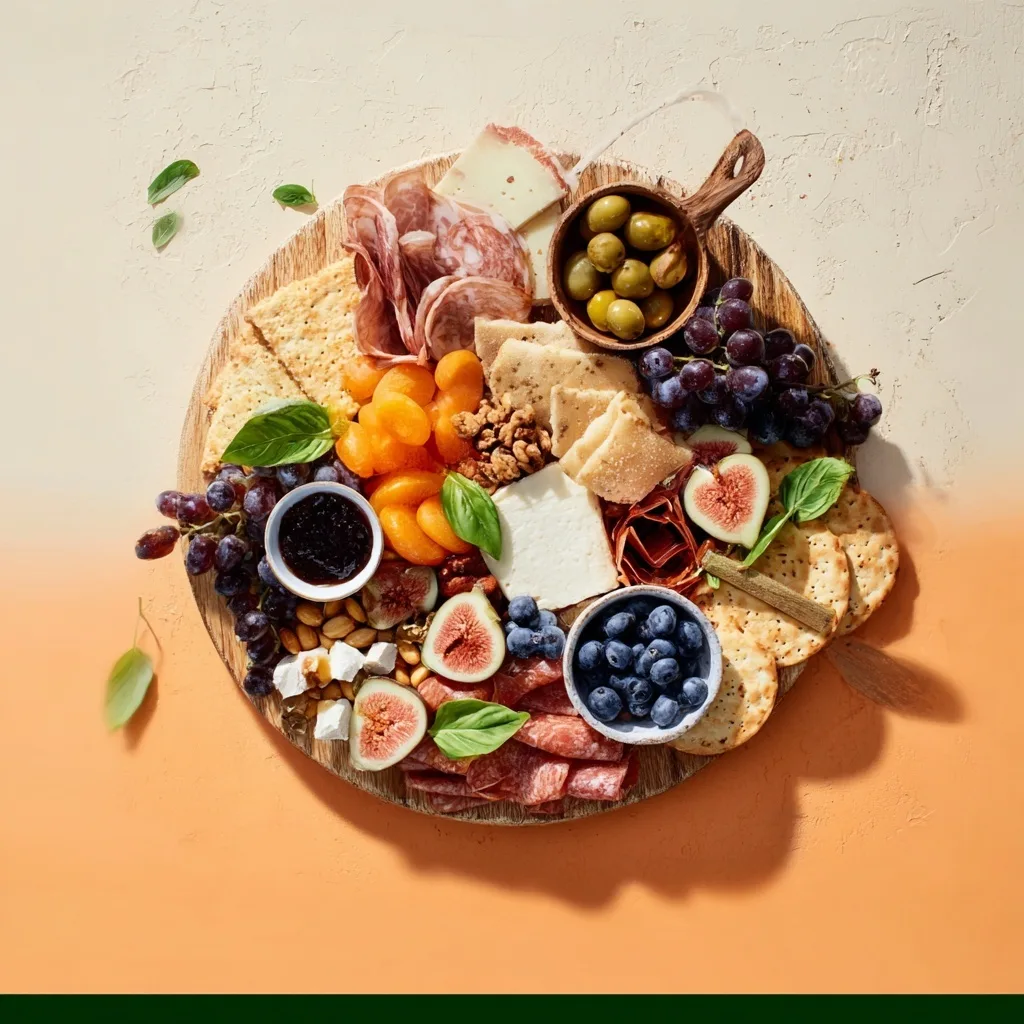
A Classic DIY Meat and Cheese Charcuterie Board doesn’t have to be a guilty pleasure. With a few mindful swaps and thoughtful proportions, it becomes a satisfying and nourishing centerpiece — one that’s as good for your body as it is for your spirit.
As a plant-forward cook, I love the balance of colors, textures, and nutrients on a well-made board. It’s an invitation to slow down, to notice what’s on your plate, and to enjoy food that feels intentional.
Mindful Pairings That Work for Everyone
When you think of balance, imagine contrast. Creamy cheese meets crisp fruit, savory meats meet bright citrus, crunchy nuts meet tender figs. These pairings don’t just taste incredible — they help your body feel satisfied without overindulging.
- Protein: cheese, nuts, and meats keep you full longer
- Fiber: fruits, whole-grain crackers, and nuts support digestion
- Healthy fats: from nuts and olive oil help stabilize energy
- Natural sweetness: dried apricots and grapes offer comfort without added sugar
If you’d like a cozy, nutrient-forward meal to pair with this, try these family-friendly favorites:
- 5-Star Creamy Cauliflower Alfredo Pasta
- 5-Step Ginger Miso Noodle Soup
Both recipes complement the board beautifully while keeping the focus on warmth and balance.
Smart Swaps for a Lighter Touch
You can easily adapt your board to fit dietary needs or lighter preferences:
- Dairy-free option: swap brie for cashew cheese or hummus
- Lower sodium: choose turkey or chicken slices instead of cured salami
- Gluten-free: use rice crackers or chickpea crisps
- Plant-forward version: double up on fruits, roasted vegetables, and nut butters
If you enjoy experimenting, I recommend browsing the Chickpea Flour Tahini Cookies — they’re a perfect make-ahead snack to serve on the side, naturally gluten-free and gently sweet.
Approximate Nutrition (Per Serving)
| Nutrient | Amount |
|---|---|
| Calories | ~420 kcal |
| Protein | 19g |
| Fat | 29g |
| Carbohydrates | 16g |
| Fiber | 3g |
| Sugar | 8g |
Note: Nutritional information is approximate and based on standard ingredients. Consult a healthcare provider for specific dietary needs.
Comfort Meets Real Life
Food should never feel like a math problem. The joy of a charcuterie board lies in its flexibility — you can make it abundant without excess, beautiful without stress. It’s about giving yourself permission to eat slowly, share freely, and savor everything on the table.
The best part? Leftovers transform easily into tomorrow’s snack box — a few slices of cheese, a handful of fruit, and a drizzle of jam can become a simple, happy lunch.
When I photograph my boards, I always think about light and warmth — the same energy that fills the kitchen when friends lean over the counter, laughing as they pick their favorite bites. That’s the kind of nourishment that lingers.
Serving Ideas, Storage & FAQs — Making It Last Beyond the Moment
Your Classic DIY Meat and Cheese Charcuterie Board doesn’t end when the gathering does. One of the best things about a board like this is how beautifully it transitions into the next day — breakfast toast toppers, school lunch bites, or even a midnight snack that still feels special.
Clara’s golden rule? “Nothing wasted, everything savored.”
Serving Ideas — Cozy, Simple, and Flexible
This board works in nearly every setting — from a small family night to a weekend brunch spread. Here are a few of my favorite serving ideas:
1. For family nights:
Pair your board with a warm dish like 30-Minute Chicken Lemon Orzo Soup or 15-Minute Baked Salmon with Garlic Greens. The fresh, savory flavors balance the richness of cheese and cured meats.
2. For brunch:
Add a touch of sweetness — think honey-drizzled brie, seasonal fruits, or small pastries. A light side like Pumpkin Butter Mochi brings a cozy, unexpected finish.
3. For holiday gatherings:
Include warm elements like roasted nuts or baked brie topped with jam. You can even add festive touches — sprigs of rosemary, a few candied orange peels, or small bowls of cranberry sauce.
Storage — Keeping It Fresh
A well-built board can last beautifully if stored properly.
- Cheese: wrap in parchment, then plastic to retain moisture without stickiness.
- Meats: store in airtight containers to prevent drying.
- Crackers: keep separate in a zip bag at room temperature.
- Fruits: refrigerate, but bring them back to room temp before serving again for the best flavor.
Tip: For easy cleanup, keep a set of Lightyear Silicone Basting & Pastry Brushes (2-Pack) on hand. They’re perfect for glazing honey, cleaning boards, or brushing away crumbs before reuse.
If you’d like a smart pairing for your next hosting night, serve this alongside the Cherry Pistachio Chocolate Yogurt Protein Bark — it adds a high-protein, sweet finish that complements the savory spread.
Recommended Products
- Lightyear Silicone Basting & Pastry Brush Set (2-Pack) – multipurpose and easy to clean.
- TOWINGO 9-Inch Silicone Kitchen Tongs (Set of 3) – reliable for delicate handling.
- Escali Primo Digital Food Scale – ensures perfect portions.
FAQs — Real Questions from Home Cooks
Q1: How far in advance can I prepare a charcuterie board?
You can prep most items up to 24 hours ahead. Arrange meats and cheeses early, but add fresh fruit and crackers just before serving to keep textures crisp.
Q2: What’s the best affordable cheese for beginners?
Start with cheddar, gouda, or mozzarella — all mild, crowd-friendly, and easy to slice. Add a soft cheese like brie or goat for contrast.
Q3: Can I make a kid-friendly version?
Absolutely. Skip stronger cheeses, add more fruits, pretzels, or cubed mild cheddar. You can even include small cookies or dark chocolate for fun balance.
Q4: How do I make it vegetarian-friendly?
Replace meats with marinated artichokes, roasted chickpeas, or hummus. You’ll keep that satisfying texture while leaning into Clara’s plant-forward approach.
Q5: What drinks pair well with this board?
Try a crisp white wine, sparkling cider, or homemade lemonade. The acidity cuts through the richness of cheese and cured meats.
From Clara’s Kitchen
For me, this board isn’t just a collection of snacks — it’s a way to feed people I love in a way that feels effortless. It’s the kind of food that invites pause, conversation, and laughter over shared bites.
And when the candles burn low and only a few crumbs remain, that’s when I know it worked.
Food That Feels Like Home.